


Pros and Cons of 3D Visualization and Photography
The way projects are presented has changed dramatically in the last decade. Clients, investors, planners, and buyers now expect to see a building long before it exists — not only through technical drawings, but through compelling, easy-to-understand marketing visuals. That puts two tools at the center of architectural communication today: architectural rendering (3D visualization) and professional photography.
Both are powerful. Both have limits. And for firms working across markets like the USA and the UK, knowing when to use each can directly affect approvals, budgets, and sales performance.
This article breaks down the strengths and weaknesses of 3D rendering services and photography so you can choose the right tool at the right stage — or combine both into a smarter visual strategy.
What is 3D visualization, and what is architectural photography?
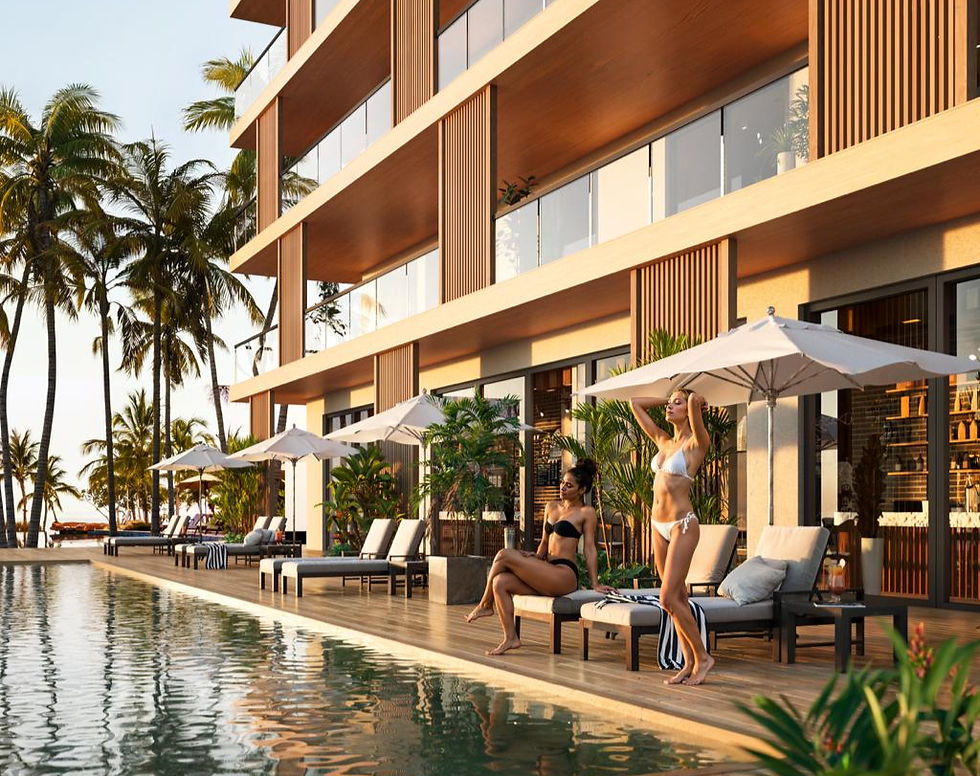
3D visualization / architectural rendering is the creation of photorealistic or semi-realistic images from a digital model. It can show projects that are unbuilt, under construction, or even only conceptual. Studios offering 3d rendering services can produce exterior hero shots, interior atmospheres, site context views, animations, or VR walkthroughs.
Architectural photography captures real built environments. It translates materials, light, scale, and atmosphere into credible, emotionally resonant images — typically used to market finished projects, document milestones, and build portfolios.
3D Visualization: Pros
1. You can market and approve a project before it exists
The biggest advantage of architectural rendering is timing. You don’t need to wait for construction. At concept, planning, or pre-sales stage, 3D allows stakeholders to evaluate and commit early.
For architects, this means fewer “trust leaps” from clients.For construction leaders, it means clearer sign-off and less risk of late changes.
2. Flexible, controllable, endlessly editable
In 3D, you can adjust:
camera angles
lighting (day, dusk, night)
materials and finishes
landscaping and surroundings
furniture layouts and staging
No reshoots. No site disruption. This flexibility is especially valuable when designs evolve during planning or value-engineering.

3. Cost-effective iterations over time
Need a cladding variant? A winter version? A different interior spec package for pre-sales? With 3d rendering services, these are typically quick add-ons rather than full restarts — unlike photography, where change usually means returning to the site with a crew.
4. Strong tool for communication and coordination
3D visuals reduce misunderstanding between:
clients and design teams
architects and contractors
consultants and decision boards
marketing teams and sales agents
If everyone understands what’s being built, you reduce expensive conflicts down the line.
5. Ideal for bold or complex ideas
Some spaces can’t be photographed because they don’t exist yet — or because they are too large, too complex, or too disruptive to capture. 3D handles:
masterplans
infrastructure and mixed-use developments
high-rise staging
interiors still in fit-out
“what if” scenarios
3D Visualization: Cons
1. Quality depends heavily on the studio
Not all rendering is created equal. Unrealistic lighting, weak material work, or a generic context can reduce credibility. Hiring experienced teams in markets like 3d Rendering USA or 3D rendering UK matters because local realism (weather, streetscape scale, vegetation, materials) affects trust.
2. Requires clear inputs and alignment
3D isn’t “magic from nothing.” To get accurate results, studios need:
drawings / BIM or CAD
material references
landscaping intent
mood/style direction
correct context data
If inputs are incomplete, results can drift — which costs time to correct.
3. Perception risk when realism is weak
Even good 3D can be questioned if viewers suspect it’s “too perfect.” This isn’t a flaw in rendering itself — it’s a reminder that realism and honesty must be priorities in architectural rendering used for public or commercial decisions.
Photography: Pros
1. Unmatched authenticity and emotional impact
Photography captures the real building — the true way light bounces, how materials age, and how space feels in use. For completed projects, it’s the gold standard of credibility.
When you need proof of delivery or real-world quality, photography wins.
2. Faster when the subject exists
If the building is ready, a shoot can often produce high-value content quickly. For finished interiors, amenities, or milestone updates, photography is usually the most direct path.
3. Strong brand and reputation builder
For architects and contractors alike, finished-project photography strengthens:
portfolios
award submissions
PR and media placements
future client trust
recruitment and brand positioning
Photography: Cons
1. You can’t photograph what isn’t built
If your goal is planning approval, pre-leasing, or off-plan marketing, photography can’t help — because there is nothing to capture yet. That’s where 3d rendering services become essential.
2. Limited control after the shoot
Once a photo is taken, major changes (materials, layout, lighting mood, background) require a reshoot. That makes iteration slow and expensive compared to 3D.
3. Weather, access, and site conditions create risk
Architectural shoots depend on:
weather windows
construction readiness
building access
safety constraints
occupancy timing
Delays or compromises are common — especially on active construction sites.
4. Retakes cost real money
If a shot misses the brief, it’s not a quick digital correction. It’s re-mobilizing crew, equipment, permissions, and time — a real cost for busy construction teams.

So which should you choose?
For decision-makers, the choice isn’t “3D or photography.” It’s where each tool fits best in the project lifecycle.
Use 3D visualization when you need to:
win planning or investor approval
launch pre-sales or leasing
test design alternatives
communicate unbuilt work
create consistent marketing visuals at scale
show future phases
Use photography when you need to:
document completed or near-complete projects
prove build quality
capture real atmosphere and materiality
publish portfolio or PR content
market finished properties
The best approach: a strategic blend
High-performing firms often combine both:
Architectural rendering to sell, approve, and align early.
Photography to validate, celebrate, and market completion.
That blend gives you full-cycle visual coverage — from vision to delivery — across any market, whether you’re operating in the 3d Rendering USA space, the 3D rendering UK space, or internationally.

Final takeaway
3D visualization and photography don’t replace each other — they solve different problems. 3D gives you clarity and flexibility before construction. Photography gives you authenticity and emotional proof after delivery.
If your next project needs high-impact marketing visuals or accurate pre-construction presentation, ManifestRender’s 3d rendering services help architects and construction companies communicate better, approve faster, and sell earlier — with results tailored for both USA and UK audiences.
Want a recommendation on what visuals your project needs right now? Reach out to ManifestRender for a quick consult.


Comments